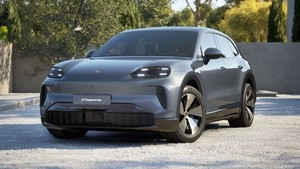
The All-New Cayenne, Taycan and Macan highlight German carmaker’s sportscar DNA
For Porsche, electrification is not just about switching out the internal combustion engine for batteries and electric motors — it is about balancing uncompromising track-ready performance with everyday usability.
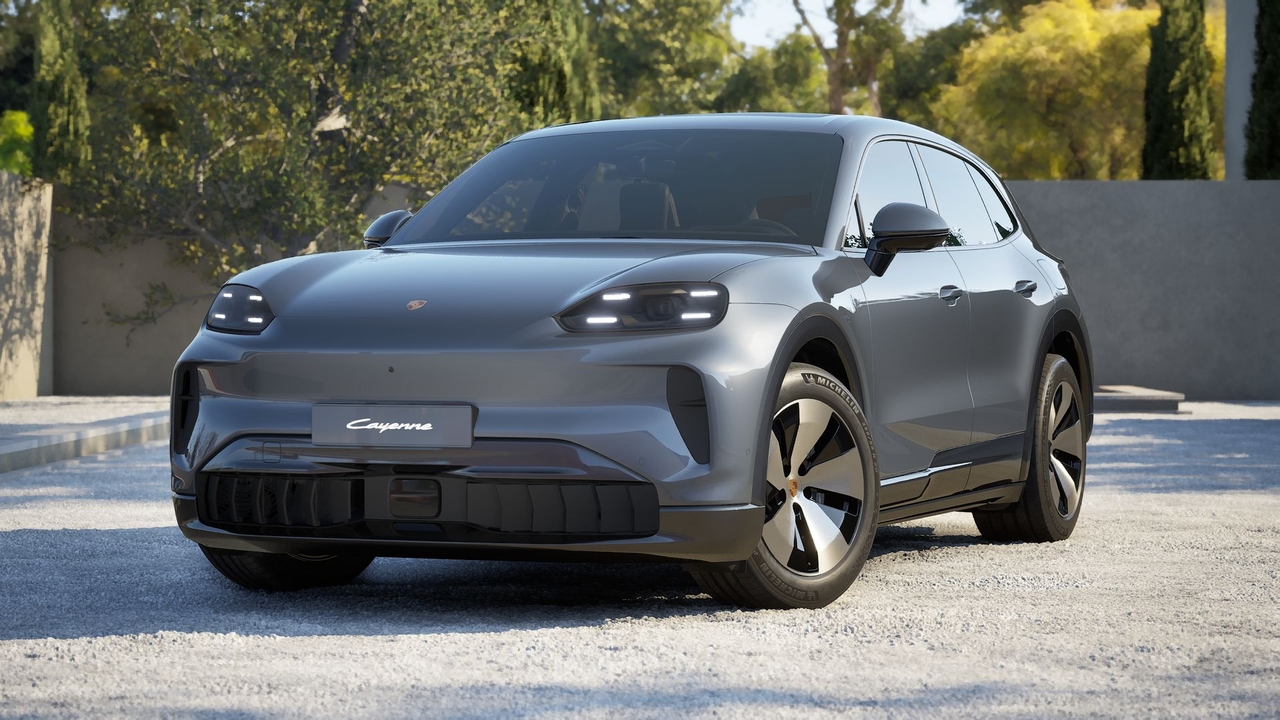
At a media track drive hosted by Porsche Korea on Thursday in Yongin, Gyeonggi Province, the German sports carmaker showcased its comprehensive four-door fully electric lineup: the brand’s first all-electric sports car Taycan, the versatile all-rounder Macan SUV and the benchmark for high-performance electric luxury, the all-new Cayenne Electric SUV.
On track: Cayenne vs. Taycan
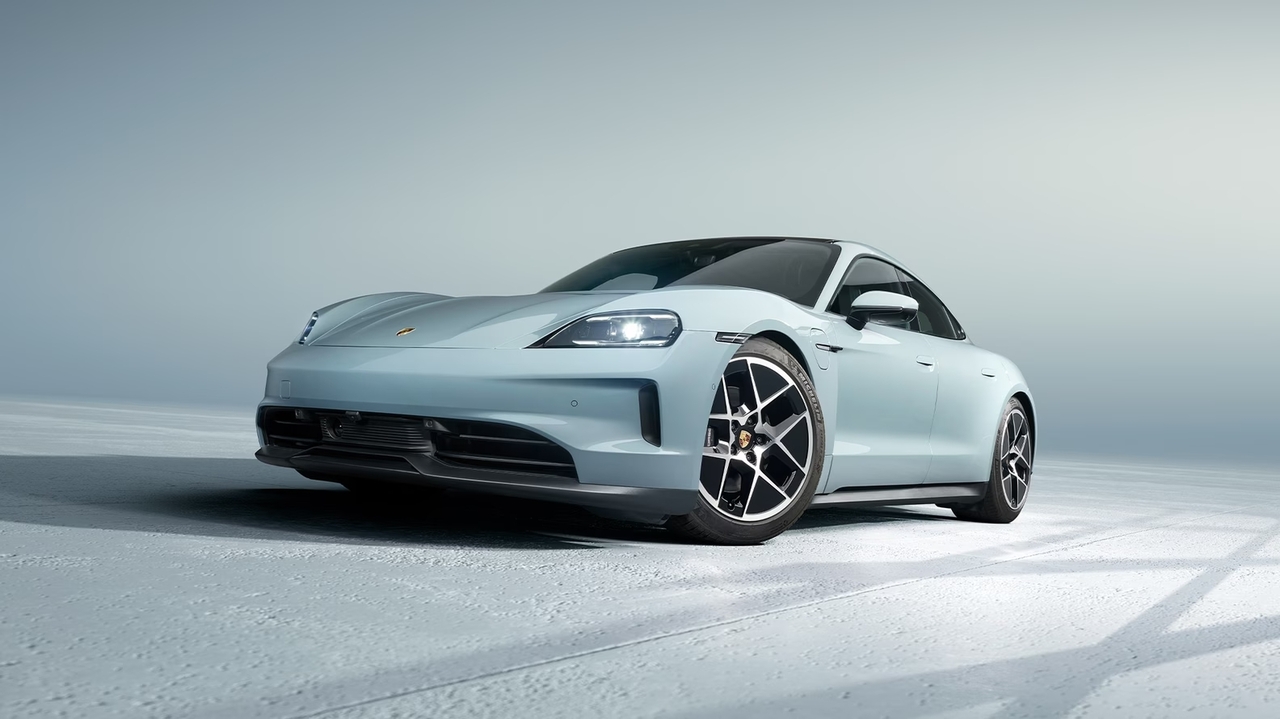
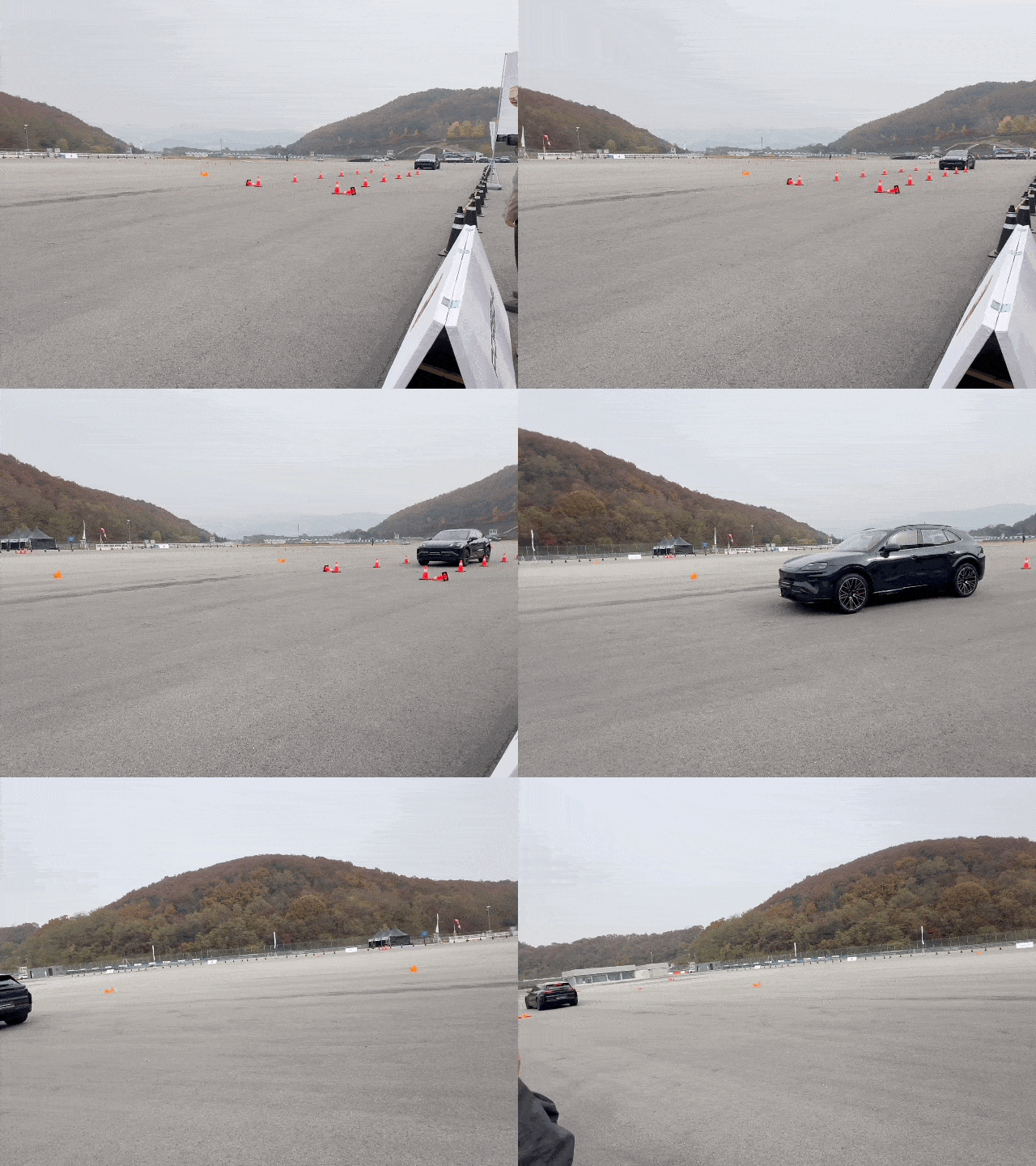
On the circuit, the high-riding, versatile Cayenne Electric competed with the low-slung, sleek Taycan.
The most standout feature of the Cayenne Turbo, S and base models is how effectively the SUV defies its tall, track-unfriendly proportions. Equipped with Porsche Active Ride suspension — a system enabled by a high-voltage battery architecture — the Cayenne delivers impressive agility.
Notably, PAR makes its most dramatic impression in Comfort mode, where hydraulic actuators perform what Porsche calls “over-compensation,” aggressively leaning the chassis into corners and pitching against hard braking to keep the heavy SUV completely flat.
PAR proves equally effective on the slalom and dynamic handling courses. Hard acceleration in the Cayenne Turbo causes little front-end lift, while emergency braking produces near-zero nose-dive.
Through the tight slalom cones, simply lifting off the throttle allows the system to settle the chassis immediately, keeping both car and driver steady. Inside the cabin, the suspension absorbs road bumps and cornering forces, resulting in a remarkably calm, controlled ride.
However, the laws of physics do apply to the entry-level base Cayenne. Lacking this PAR option, its higher center of gravity remains clearly noticeable.
The Taycan, on the other hand, leans on its sports car DNA. With its low, 911-inspired silhouette and planted stance, the sedan feels much more natural on a circuit. Equipped with the newly added E-shift — an eight-speed virtual gearbox that delivers a distinct, tactile kickback — and a Push-to-Pass function offering an extra 70 kilowatts of instant power, the Taycan provides the sharp, engaging feel of a track car.
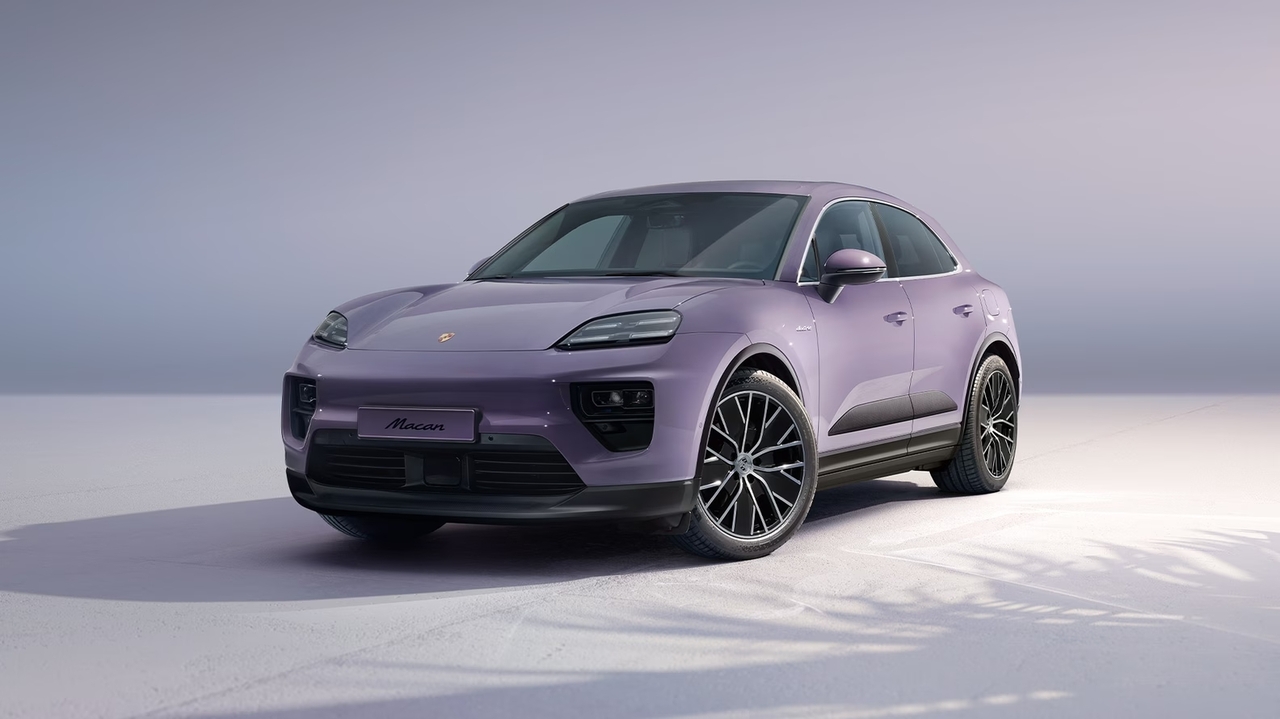
Meanwhile, on windy urban roads, the Macan GTS demonstrates everyday usability. Built on the Premium Platform Electric architecture, the all-electric Macan incorporates rear-axle steering that pivots up to 5 degrees — deliberately tuned wider than Porsche’s typical 2 to 3-degree sports car setup to navigate dense roads, U-turns and tight parking spaces with high level of agility.
2.7-ton SUV launches like a supercar
Weighing roughly 2.7 metric tons, the Cayenne Electric Turbo looks like it should feel heavy and slow to react — until “launch control” instantly disproves that assumption.
With the left foot pinning the brake and the right slamming the throttle, the instrument cluster signals launch control engagement. Releasing the brake sends 1,156 horsepower across all four wheels, pinning the driver firmly into the seat.
In just 63 meters, the digital speedometer passes 110 kilometers per hour — backing up Porsche’s official 2.5-second 0 to 100 km/h figure.
A key feature that makes this heavy electric SUV agile is its optimized battery packaging. By keeping the battery pack lighter than the Taycan’s, Porsche dramatically lowers the Cayenne Electric’s center of gravity and balances its front-to-rear weight distribution.
hyejin2@heraldcorp.com